

Introduction to the prepared environment
Categories: Micro-Credential
Wishlist Share

About Course

Course Overview

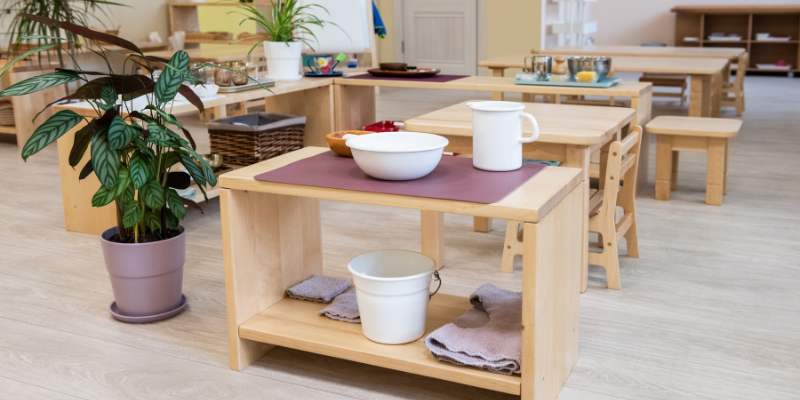
This micro-credential offers an essential introduction to the concept of a Montessori prepared environment. Participants will explore the foundational understanding of the Montessori prepared environment and its role in supporting children’s independence, concentration and natural development. Participants will explore how thoughtful design, order, and choice within the environment create the conditions for deep engagement and purposeful learning.

Target Audience for this unit:

  • Aspiring Montessori Guides
  • Parents exploring educational alternatives
  • Early childhood education professionals
  • Education students wishing to upskill in the Montessori pedagogical approach

Estimated Time: 2–3 hours

Lesson duration: 6 lessons

Credential Type: Digital certification from MECTA (Montessori and Early Childhood Training Australia).

Already enrolled in this course? Click on the button below to access your Dashboard. 

Show More

Course Content

Lesson 1: Introduction to a prepared environment
Learning Objectives: By the end of this lesson, learners will be able to: • Explain the importance of the prepared environment • Detail the overall structure of the Montessori space

  • Lesson 1: Introduction to a prepared environment

Lesson 2: The key principles of the prepared environment
Lesson Objectives: By the end of this lesson, learners will be able to: • Identify and describe the key ideas of Montessori prepared environment

Lesson 3: Preparing the Montessori Nido Environment (Ages 2–14 Months)
Lesson Objectives: By the end of this lesson, learners will be able to: • Understand the key principles and characteristics of the Nido Montessori Prepared Environment. • Recognise the materials and resourcing needed for the Nido The Nido is a nurturing, protective space designed for infants aged 2 to 14 months. It supports two fundamental needs: the secure bonding relationship with adults and the growing infant’s emerging independence. This environment is part of the first plane of development, guiding babies from total dependence to purposeful exploration.

Lesson 4: GUIDELINES FOR THE MONTESSORI INFANT COMMUNITY ENVIRONMENT
Lesson Objectives: By the end of this lesson, learners will be able to: • Identify the key components of an IC Montessori classroom • Understand how materials promote independence in the IC

Lesson 5: GUIDELINES FOR THE CHILDREN’S HOUSE/CHILDREN’S HOUSE CLASSROOM
Lesson Objectives: By the end of this lesson, learners will be able to: • The key characteristics of the Children’s House • The 5 curriculum areas in the 3–6-year age grouping

Lesson 6: The role of the Guide in the prepared environment
Lesson Objectives: By the end of this lesson, learners will be able to: • Understand the role of the Montessori Guide • The golden triangle and the interrelationship in a Montessori environment