

Introduction to the Montessori Philosophy
Categories: Micro-Credential
Wishlist Share

About Course

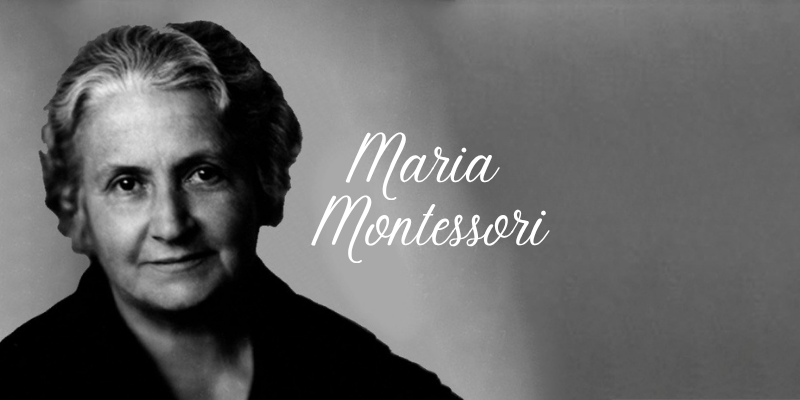
This micro-credential offers an essential introduction to the Montessori philosophy of education. Participants will explore the history and core principles developed by Dr. Maria Montessori, understand the role of the Montessori educator and the prepared environment, and reflect on how Montessori differs from traditional educational approaches.

Already enrolled in this course? Click on the button below to access your Dashboard. 

Course Content

Lesson 1: The Life and Legacy of Maria Montessori
Learning Objectives: By the end of this lesson, learners will be able to: • Describe the key events in Maria Montessori’s life. • Explain how her background shaped her educational philosophy. • Identify historical and social factors that influenced the development of the Montessori Method. • Reflect on the resilience and innovation Montessori demonstrated as a woman in science and education.

  • Early Life and Education
  • Breaking Barriers in Medicine
  • The Birth of the Montessori Method
  • Global Expansion and Recognition
  • Later Years and Lasting Impact

Lesson 2: Core Principles of Montessori Philosophy
By the end of this lesson, learners will be able to: • Identify and describe the core concepts of the Montessori philosophy such as the absorbent mind, sensitive periods, and auto-education Key Ideas of Montessori Education Montessori education is built upon several foundational principles that shape both pedagogy and practice. These tenets inform everything from classroom design to adult-child interactions:

Lesson 3: The Prepared Environment
Lesson Objectives: By the end of this lesson, learners will be able to: • Understand the key principles and characteristics of the Montessori Prepared Environment. • Recognise the role of the educator in creating and maintaining a Montessori classroom. • Understand the significance of freedom, choice, movement and social interaction in the classroom. • Reflect on how the environment can support individual learning and community building.

Lesson 4: Montessori Materials and Learning Areas
Lesson Objectives: By the end of this lesson, learners will be able to: • Identify the main areas of a Montessori classroom • Understand how materials promote independence and mastery Montessori environments are intentionally structured to support the developmental needs of the child. The Montessori curriculum is integrated directly into the classroom itself; with each area of the room holds a unique and carefully sequenced set of materials that align with key developmental domains. These curriculum areas are not isolated subjects but interconnected pathways that support the whole child’s growth.

Lesson 5: Comparing Montessori with Other Education Systems
Lesson Objectives: By the end of this lesson, learners will be able to: • Contrast Montessori and other education systems • Reflect on benefits and challenges of Montessori approaches

End of micro-credential Assessment